5s
+1

Submission successful!

|
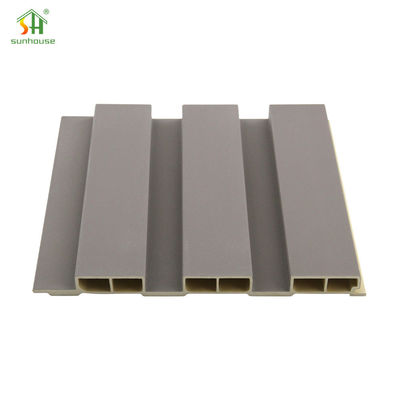
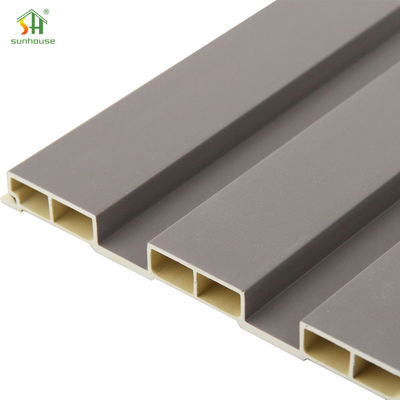
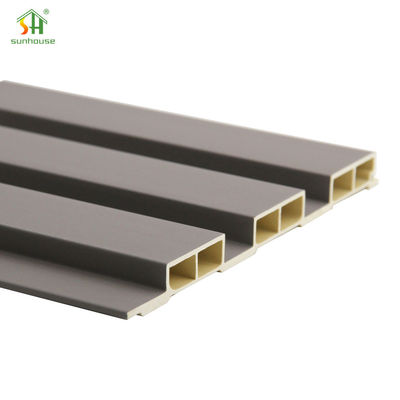
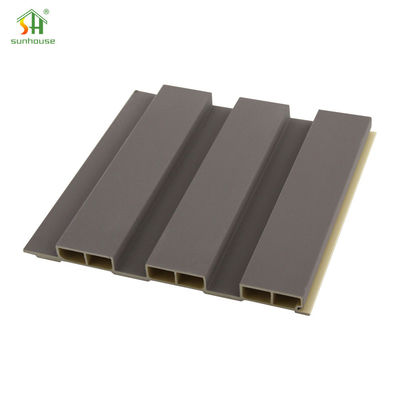
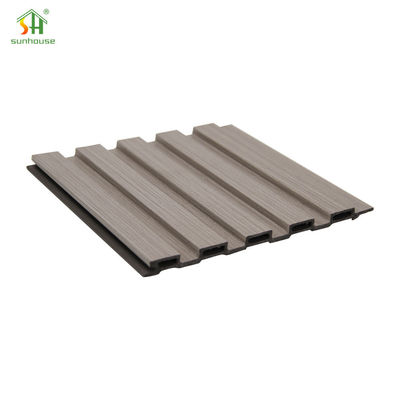
| ব্র্যান্ড নাম: | SUNHOUSE |
| মডেল নম্বর: | WPC-42 |
| MOQ.: | 200 ㎡ |
| অর্থ প্রদানের শর্তাবলী: | টি/টি |
প্রকিউরমেন্ট ম্যানেজার এবং স্থপতিরা যখন বৃহৎ বাণিজ্যিক উন্নয়ন, আতিথেয়তা ভেন্যু এবং প্রাতিষ্ঠানিক ভবনগুলির জন্য উপকরণের বিকল্পগুলি মূল্যায়ন করেন, তখন উড প্লাস্টিক কম্পোজিট (WPC) ওয়াল সিস্টেমগুলি ঐতিহ্যবাহী কাঠ, জিপসাম এবং পিভিসি সমাধানের একটি উচ্চ-কার্যকারিতা বিকল্প হিসাবে আবির্ভূত হয়েছে। এশিয়া এবং মধ্যপ্রাচ্য জুড়ে একাধিক সম্পন্ন প্রকল্পের উপর ভিত্তি করে, এই ওভারভিউ প্রযুক্তিগত মৌলিক বিষয়, যাচাইকৃত কর্মক্ষমতা ফলাফল এবং বর্তমান বাজারের গতিশীলতা ভাগ করে নেয়।
আধুনিক WPC প্যানেলগুলিতে সাধারণত ৫০-৬৫% পুনর্ব্যবহৃত কাঠের ফাইবার বা ময়দা, ৩০-৪৫% উচ্চ-ঘনত্বের পলিথিন (HDPE) বা পলিপ্রোপিলিন এবং UV স্থিতিশীলতা, কাপলিং এবং অগ্নি কর্মক্ষমতার জন্য ৩-৮% বিশেষ সংযোজন থাকে। মাল্টি-চেম্বার ফাঁপা এক্সট্রুশন প্রোফাইল একটি সর্বোত্তম শক্তি-থেকে-ওজন অনুপাত সরবরাহ করে, যা সাধারণত প্যানেলগুলির ওজন কঠিন কাঠের সমতুল্যগুলির চেয়ে ৪০-৬০% কম হয় এবং উন্নত মাত্রিক স্থিতিশীলতা বজায় রাখে।
ক্ষেত্র প্রয়োগে পর্যবেক্ষণ করা মূল কর্মক্ষমতা মেট্রিকগুলির মধ্যে রয়েছে ১% এর নিচে জল শোষণ হার, ২৫-৩৫ MPa এর বেশি বেন্ডিং শক্তি এবং জৈবিক অবক্ষয়ের বিরুদ্ধে চমৎকার প্রতিরোধ। এই বৈশিষ্ট্যগুলি WPC কে উচ্চ-আর্দ্রতা অঞ্চলগুলির জন্য বিশেষভাবে উপযুক্ত করে তোলে যেমন হোটেল লবি, স্বাস্থ্যসেবা করিডোর এবং অফিস ফিট-আউট যেখানে ঐতিহ্যবাহী উপকরণগুলির প্রায়শই ঘন ঘন প্রতিস্থাপনের প্রয়োজন হয়।
বিশ্বব্যাপী WPC ওয়াল প্যানেল সেগমেন্টের মূল্য আনুমানিক ৪.৫ বিলিয়ন মার্কিন ডলার (২০২৪-২০২৫) ছিল এবং এটি ২০৩৩ সালের মধ্যে ৭.২ বিলিয়ন মার্কিন ডলারে পৌঁছাবে বলে অনুমান করা হচ্ছে, যা প্রায় ৬.৫% CAGR হারে প্রসারিত হবে। বৃহত্তর কাঠ-প্লাস্টিক কম্পোজিট বাজারগুলি আরও শক্তিশালী গতি দেখাচ্ছে, এশিয়া-প্যাসিফিক অঞ্চলে স্থায়িত্বের আদেশ এবং নগরায়নের দ্বারা চালিত ২০৩১ সাল পর্যন্ত ৬.৫% থেকে ৮.৬% CAGR পর্যন্ত পূর্বাভাস রয়েছে।
মূল চালিকা শক্তিগুলির মধ্যে রয়েছে কঠোর সবুজ বিল্ডিং সার্টিফিকেশন (LEED, BREEAM), বাণিজ্যিক রিয়েল এস্টেটে কম রক্ষণাবেক্ষণের সমাধানের চাহিদা এবং পুনর্ব্যবহৃত সামগ্রী উত্সাহজনক বৃত্তাকার অর্থনীতি নীতি। ইউরোপ এবং এশিয়া বর্তমানে অভ্যন্তরীণ এবং সুরক্ষিত বাহ্যিক উভয় প্রয়োগের জন্য গ্রহণে নেতৃত্ব দিচ্ছে।
অফিস সদর দপ্তর এবং শিক্ষাপ্রতিষ্ঠানেও অনুরূপ ফলাফল দেখা যায়। একটি মাঝারি আকারের কর্পোরেট ক্যাম্পাস দ্রুত ইনস্টলেশন চক্র (কঠিন কাঠের ক্ল্যাডিংয়ের চেয়ে প্রায় ২.৫ গুণ দ্রুত) এবং হালকা প্যানেলের ওজনের কারণে রেট্রোফিট করা ভবনগুলিতে কাঠামোগত লোড হ্রাস পেয়েছে।
| বৈশিষ্ট্য | WPC কম্পোজিট (সাধারণ) | কঠিন কাঠ | স্ট্যান্ডার্ড জিপসাম/পিভিসি |
|---|---|---|---|
| আর্দ্রতা প্রতিরোধ | চমৎকার (≤০.৮-১% শোষণ) | দুর্বল থেকে মাঝারি | মাঝারি |
| রক্ষণাবেক্ষণ চক্র | ৫-১০+ বছর ন্যূনতম | ১-৩ বছর | ২-৫ বছর |
| ওজন প্রতি মি² | ৬-১০ কেজি | ১৫-২৫ কেজি | ৮-১৮ কেজি |
| পুনর্ব্যবহৃত সামগ্রী | উচ্চ (প্রায়শই ৫০%+) | পরিবর্তনশীল | নিম্ন থেকে মাঝারি |
| তাপীয়/অ্যাকোস্টিক সুবিধা | ভাল (ফাঁপা কোর বিচ্ছুরণে সহায়তা করে) | মাঝারি | পরিবর্তনশীল |
WPC সিস্টেমগুলি স্থায়িত্ব, কম রক্ষণাবেক্ষণ এবং নান্দনিক সামঞ্জস্যের চাহিদাযুক্ত অ্যাপ্লিকেশনগুলিতে শ্রেষ্ঠত্ব অর্জন করে তবে এটি প্রতিটি লোড-বহনকারী বা চরম কাঠামোগত প্রয়োজনের জন্য উপযুক্ত নাও হতে পারে। সঠিক সিস্টেম নির্বাচন, বিশদ নকশা সমন্বয় এবং মানসম্পন্ন সরবরাহকারী যাচাইকরণ অপরিহার্য। শিল্প ডেটা এবং প্রকল্পের রেফারেন্সগুলি অপারেশনাল দক্ষতা এবং পরিবেশগত সম্মতির উপর দৃষ্টি নিবদ্ধ বাণিজ্যিক মালিকদের জন্য ধারাবাহিকভাবে শক্তিশালী ROI দেখায়।
আসন্ন বিড বা সংস্কারের জন্য বিকল্পগুলি মূল্যায়নকারী দলগুলির জন্য, আমরা সম্পূর্ণ প্রযুক্তিগত ডসিয়ার এবং রেফারেন্স সাইট ভিজিট অনুরোধ করার পরামর্শ দিই। আপনার নির্দিষ্ট প্রকল্পের প্যারামিটারগুলি (জলবায়ু অঞ্চল, ট্র্যাফিক স্তর, অ্যাকোস্টিক লক্ষ্য) ভাগ করে নেওয়া প্রমাণিত ইনস্টলেশনের উপর ভিত্তি করে আরও উপযুক্ত সুপারিশের অনুমতি দেয়।
 english
 français
 Deutsch
 Italiano
 Русский
 Español
 português
 Nederlandse
 ελληνικά
 日本語
日本語
 한국
한국
 العربية
 हिन्दी
 Türkçe
 indonesia
 tiếng Việt
 ไทย
ไทย
 বাংলা
বাংলা
 فارسی
فارسی
 polski


